
Your Dream Bhutan Cultural Tours Starts Here
Bhutan Cultural Tours, Led by a Team That Still Lives Here
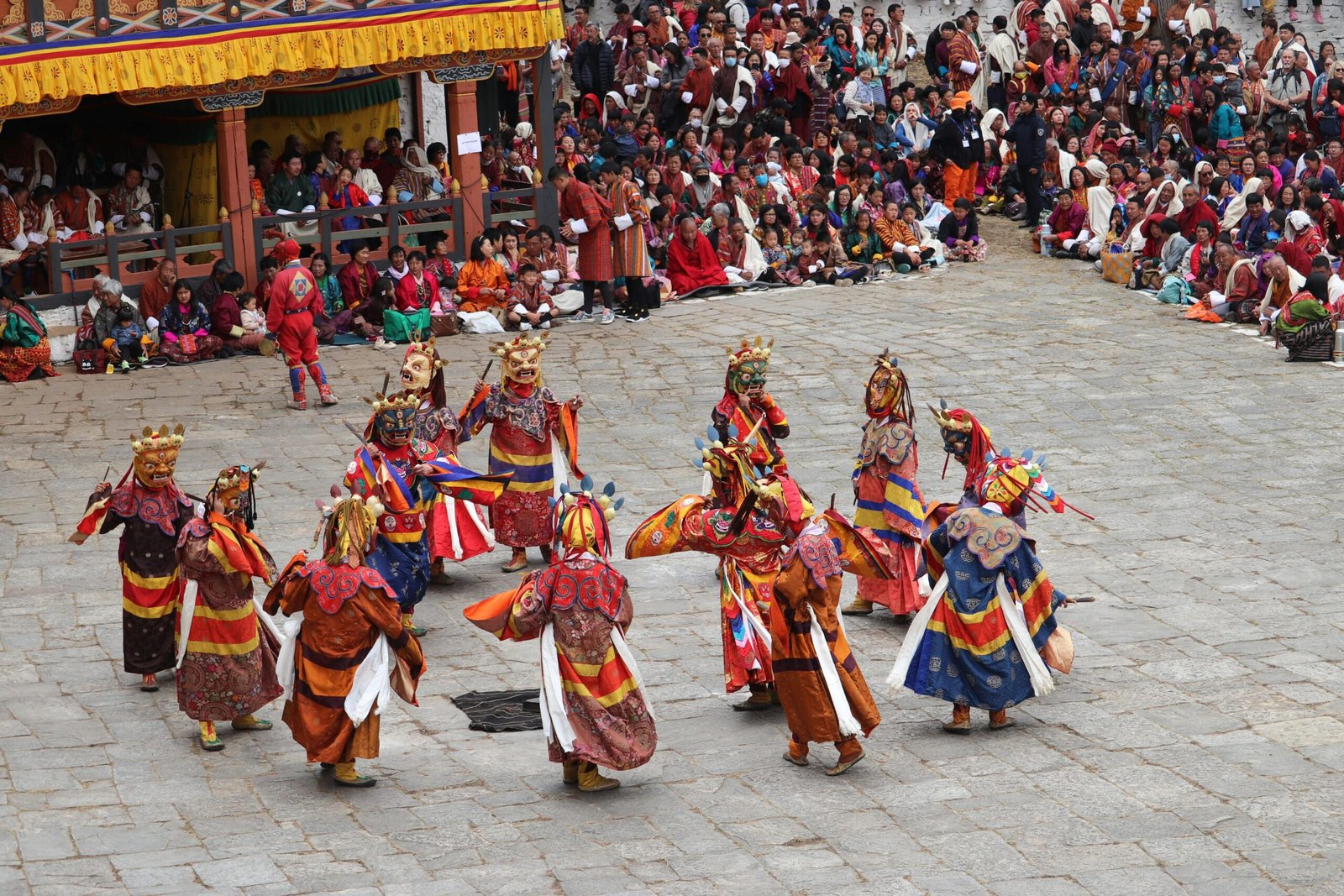
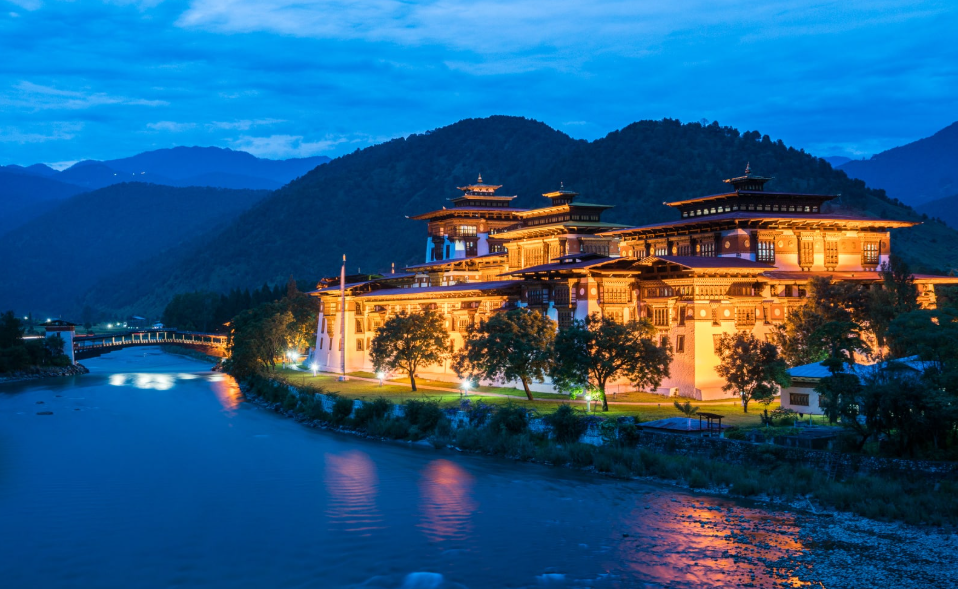
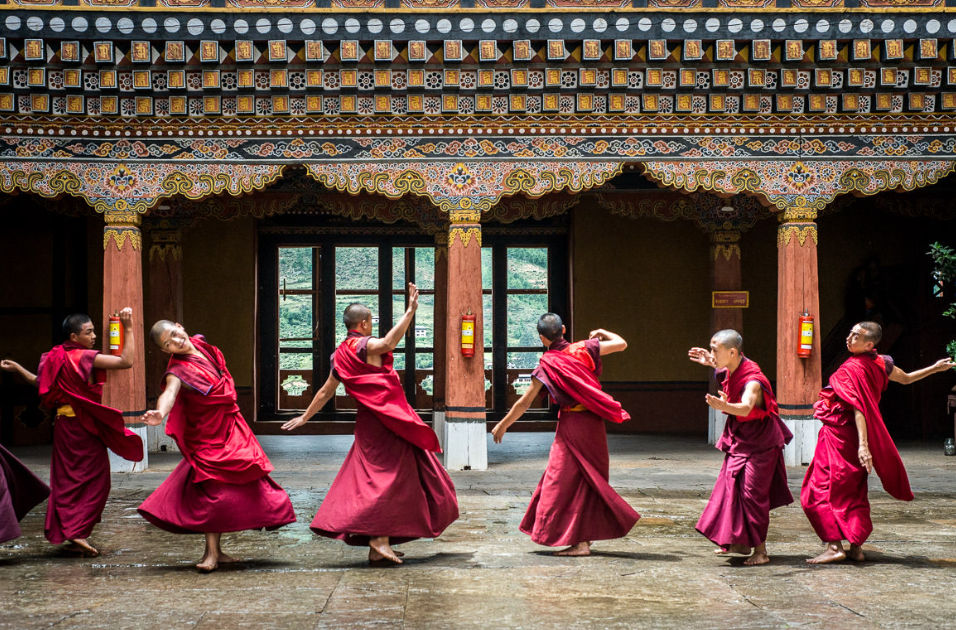
Druk Bhutan Tours is a licensed Bhutanese operator that plans and leads Bhutan cultural tours through Paro, Thimphu, Punakha, and the valleys beyond. Our guides live here year-round — this isn’t a booking desk working through resellers abroad. We handle the visa application, the Sustainable Development Fee, hotel bookings, and the daily logistics that come with Bhutan’s high value, low volume tourism policy, so you deal with one point of contact instead of a chain of foreign agents. Every itinerary is built around what you actually want to see: a specific tshechu festival, a monastery visit timed to a mask dance, or simply a slower pace through the western valleys.
About Druk Bhutan Tours
Your Trusted Partners for Authentic Bhutan Tours
Druk Bhutan Tours was started in 2015 by Karma Gyeltshen, who worked for 10+ years as a licensed guide before deciding to run trips under our own name. We’re a small local Bhutan travel agency — [X] full-time guides, a handful of drivers, and an office in Paro where someone actually answers the phone. Most of our guides trained around the same time and still see each other outside of work, which helps more than it sounds: a team that knows each other solves problems on the road faster than one that’s never met.
We’re licensed by Bhutan’s Department of Tourism (license no. [XXXX]). Read the longer version — how we started, who’s on the team now, and what we think a Bhutan trip should look like — on our about page.
What Makes Us Different
Why Choose Royal Thailand Tours
Bhutan’s version of cultural tourism isn’t scenery with a few temples added on top — the culture is the itinerary. A few things worth understanding before you book.
Licensed & Experienced Guides
Every tour operator in Bhutan must be registered with the Tourism Council of Bhutan (TCB). Druk Bhutan Tours holds full licensing, meaning your visa, permit, and tour fees are handled legally and transparently. When you book with us, you book with confidence.
Personalized Cultural Itineraries
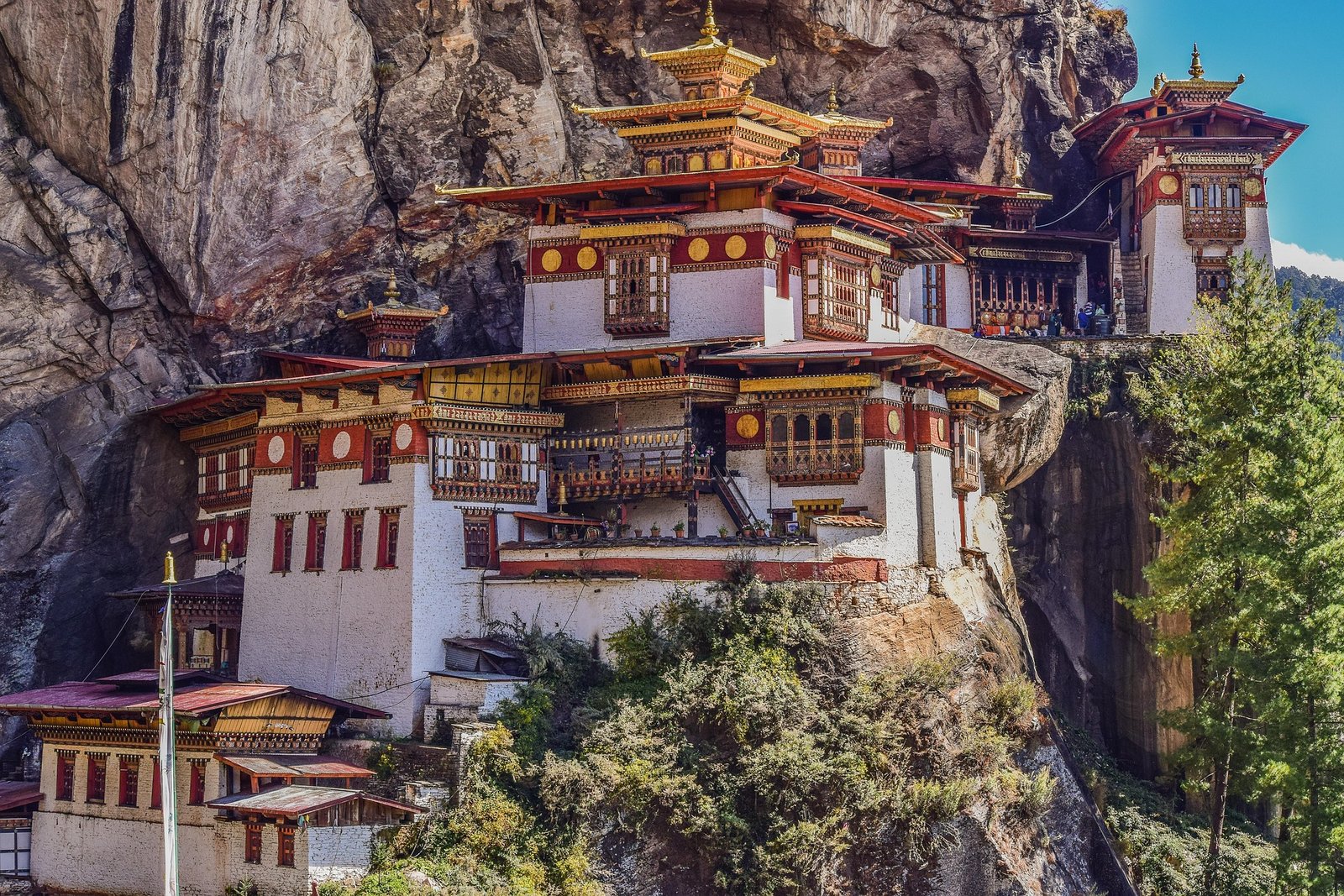
Our cultural tours go far beyond the standard Tiger's Nest-and-Thimphu formula. We take you into living heritage: witness artisans weaving traditional Kishuthara silk, observe Buddhist monks in their daily rituals, explore remote cliff monasteries accessible only on foot,
Transparent & Fair Pricing
Bhutan requires all tourists to pay a Sustainable Development Fee (SDF) per night. We break down every cost clearly, with no hidden charges, no commission-motivated detours, and no surprise fees. What we quote is what you pay. You arrive — we take care of everything else.
Responsible & Sustainable Tourism
Bhutan's High Value, Low Impact tourism policy is something we champion with conviction. We work with locally owned guesthouses and boutique hotels, hire local guides and drivers from the communities we visit, and design our tours to leave a positive cultural footprint.
Good to Know Before You Go
Our Commitment to Luxury & Comfort
Visa and SDF are handled together
As your licensed operator, we submit your visa application and pay your Sustainable Development Fee to the Department of Immigration directly. Processing usually takes about a week.
Costs, exactly
The SDF is $100 per person, per night, plus a one-time $40 visa fee. Indian, Bangladeshi, and Maldivian nationals pay a lower regional rate; children under 5 are exempt, and ages 6–12 pay half.
Best months depend on what you want
March–May brings clearer mountain views and Paro Tshechu; September–November brings the clearest skies of the year, Thimphu Tshechu, and the November 11 Black-Necked Crane Festival.
Altitude matters more than people expect
The Tiger’s Nest hike alone gains about 900 metres, and some treks cross passes above 4,000 metres. We schedule easier days early in an itinerary rather than starting with the hardest hike.
Cards are limited outside Thimphu and Paro
The Bhutanese ngultrum is pegged to the Indian rupee; hotels in the main towns take cards, but smaller guesthouses mostly want cash.
Pack for temperature swings, not just season
Even in spring and autumn, mornings at altitude can be near freezing while afternoons are warm in direct sun. Layers work better than one heavy jacket.
Frequently Asked Questions About Bhutan Cultural Tours
Yes, compared to neighboring countries — mainly because of the Sustainable Development Fee, which is separate from your tour cost. The SDF is $100 per person per night, plus a one-time $40 visa fee, on top of a package rate that covers your guide, driver, hotels, and meals. Luxury lodges add substantially more; budget-tier packages with 3-star hotels cost less.
Yes, unless you're a citizen of India, Bangladesh, or the Maldives, who need an entry permit instead. Your licensed tour operator submits the visa application alongside your SDF payment; processing typically takes about a week, and you'll receive a clearance letter by email before you fly, with the visa itself stamped into your passport on arrival.
It's a nightly government fee — $100 per person for most nationalities — charged separately from your hotel, meals, and guide costs. It funds a portion of Bhutan's free healthcare and education system and its environmental conservation work, and is refundable on a pro-rata basis if you cut your trip short.
Yes — Bhutan has a strong general safety reputation, and solo travelers, including women, commonly visit without issue. It's worth knowing that a licensed guide accompanies you for the duration of your trip regardless, since independent unguided travel isn't an option under current tourism rules.
Spring (March–May) and autumn (September–November) are the two peak windows, mainly for weather and because most major tshechus fall in those months. Tshechu dates follow the lunar calendar and shift from year to year, so confirm exact dates before booking flights.
No — international tourists (other than those from India, Bangladesh, and the Maldives) must book through a licensed local tour operator, which includes an assigned guide for the length of the trip. This is tied directly to the visa process and Bhutan's "high value, low volume" tourism policy.
Moderate — most people complete the round trip in four to six hours, with roughly 900 metres of elevation gain. There's a cafeteria at the halfway point that works as a rest stop or turnback option, and a mule can carry you partway. It's worth scheduling mid-trip rather than on day one, to allow some acclimatization first.
Yes — it's a common choice for honeymoons, largely because the low-volume tourism policy means fewer crowds at major sites than at comparable destinations elsewhere in Asia. Private itineraries and luxury lodges (Aman, COMO, Six Senses) both suit couples well; timing a trip around a tshechu adds a shared experience beyond scenery.
SUMMER SPECIAL
Plan Your Perfect Thailand Getaway!!
Tell us roughly when you want to travel and what you want out of the trip — a specific festival, a slower pace through the western valleys, a trek added on — and we’ll put together a real itinerary and quote, not a generic template. Get in touch with our team, or browse our Bhutan tour packages first if you’d rather see itinerary ideas before reaching out.